
Morocco
14-Day Morocco Sahara Desert Trek, Marrakech & Essaouira Adventure
January 13-26, 2028
Blind or sighted, it doesn’t matter. Everyone is welcome and everyone is equal in this adventure.
Day by Day Outline
Discover the extraordinary diversity of Morocco on this carefully designed 14-day journey that combines the vibrant atmosphere of Marrakech, the cinematic landscapes of Ouarzazate, an unforgettable camel caravan trek through the magnificent Sahara Desert, and the relaxing Atlantic coastline of Essaouira. This unique itinerary offers a perfect balance of cultural discovery, authentic Berber hospitality, spectacular desert landscapes, and coastal charm.
Beginning in the imperial city of Marrakech, travel across the breathtaking High Atlas Mountains before reaching Ouarzazate, the gateway to the Sahara. Continue south to M’Hamid El Ghizlane, the last village before the endless dunes, where your multi-day desert trekking adventure begins.
Journey through Morocco’s remote Erg Chigaga Desert alongside experienced local guides, camel handlers, and support staff. Walk through towering sand dunes, ancient caravan routes, fossil plains, and peaceful desert landscapes while enjoying traditional Berber hospitality and magical nights beneath star-filled skies.
After your desert expedition, return through the dramatic landscapes of Foum Zguid before heading back to Marrakech. The final part of your adventure takes you to the beautiful Atlantic port of Essaouira, where whitewashed streets, fresh seafood, historic ramparts, and ocean breezes provide the perfect ending to an unforgettable Moroccan experience.
All along the way, guests are accompanied by professional local guides, comfortable transportation, carefully selected accommodations, and an experienced support team, ensuring a seamless and memorable adventure from arrival to departure.
This Isn’t a Sightseeing Tour. It’s a Multisensory Immersion.
Morocco doesn’t need to be seen to be experienced. It needs to be heard, tasted, touched, and felt.
Sensory souks that weave together the sounds of craftsmen at work, the scent of spices and orange blossom, and the flavors that make Morocco a foodie destination.
Tailored for blind travelers but not a “blind trip.” Hands-on, immersive experiences such as guiding a camel caravan by lead rope through the dunes, climbing towering sand ridges barefoot, and evenings of traditional Berber music around the campfire. Every stage is accompanied by experienced guides and a dedicated support team.
Adventures that meet you where you are: trek the Sahara’s dunes with camels carrying the load. Every day has choices, and every choice is fully supported by expert guides trained in accessibility.
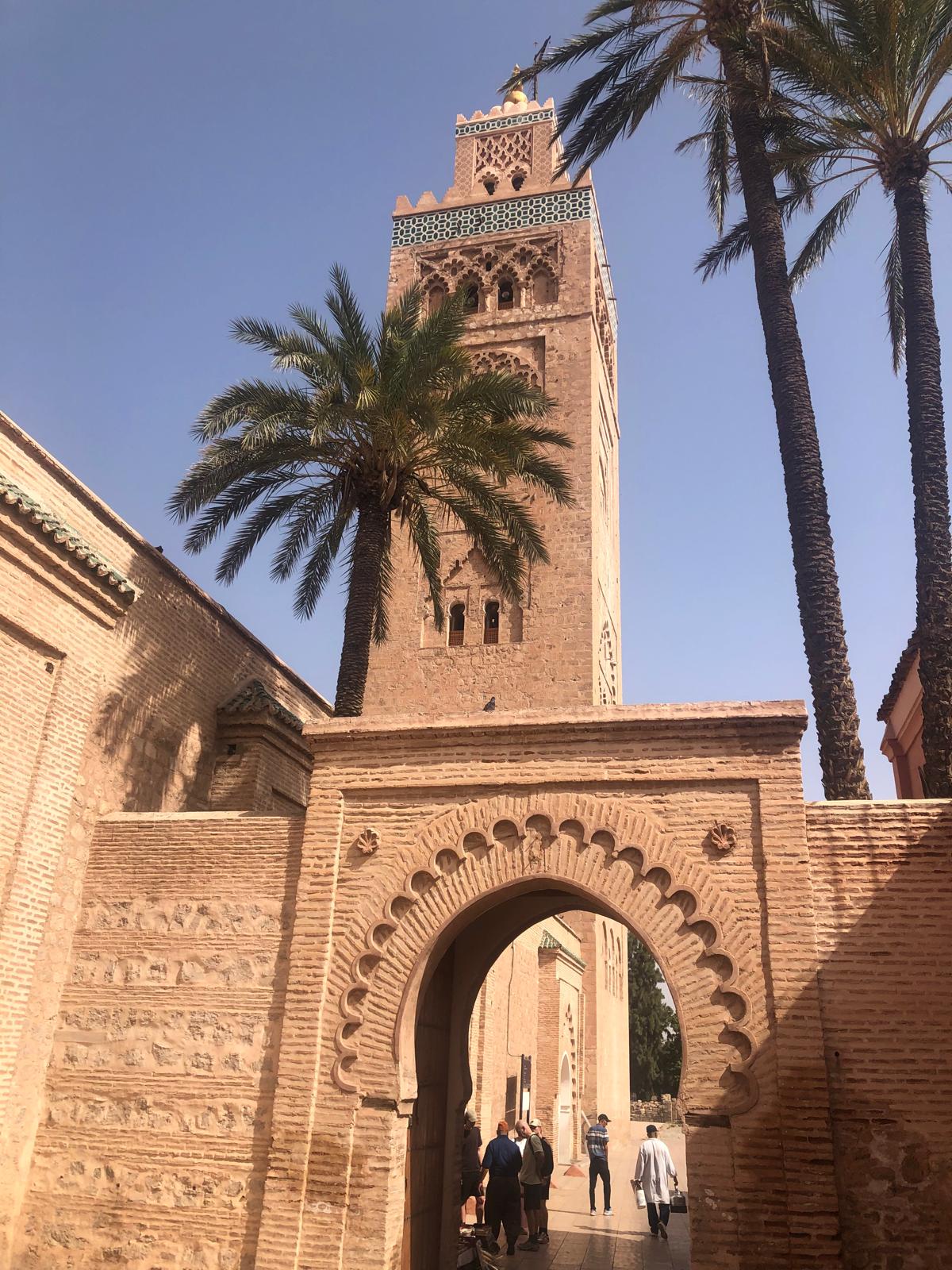
Day 1 – Arrival in Marrakech
Upon arrival at Marrakech Menara Airport, you will be welcomed by your driver and transferred to your traditional riad located within the historic Medina or nearby.
Depending on your arrival time, relax at your riad or take a stroll through Morocco’s bustling streets before meeting up with your guide for a delicious welcome dinner.’
Driving Time: Approximately 20–30 minutes.
Included:
Day 2 – Marrakech – High Atlas Mountains – Aït Ben Haddou – Ouarzazate
After breakfast, depart Marrakech and begin one of Morocco’s most spectacular road journeys across the High Atlas Mountains via the famous Tizi n’Tichka Pass (2,260m / 7,414 ft). Enjoy breathtaking mountain scenery, traditional Berber villages and panoramic viewpoints throughout the drive.
Continue towards the famous Kasbah of Aït Ben Haddou, a UNESCO World Heritage Site renowned for its remarkable earthen architecture and numerous film productions. After time to explore, continue to Ouarzazate, often referred to as the “Gateway to the Sahara.”
Driving Distance: Approximately 200 km / 125 mi; Driving Time: 4.5–5 hours (excluding sightseeing stops).
Included:
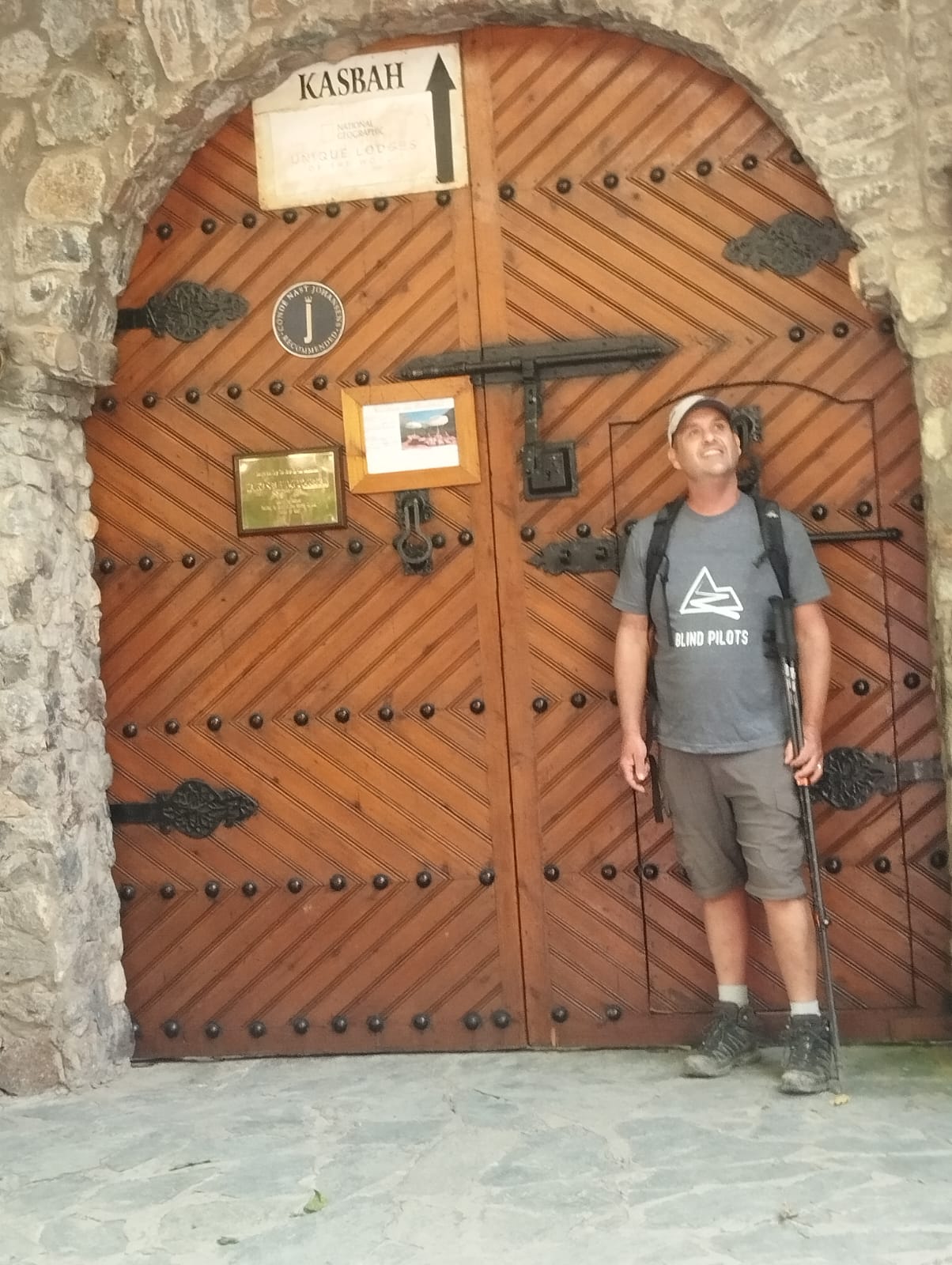
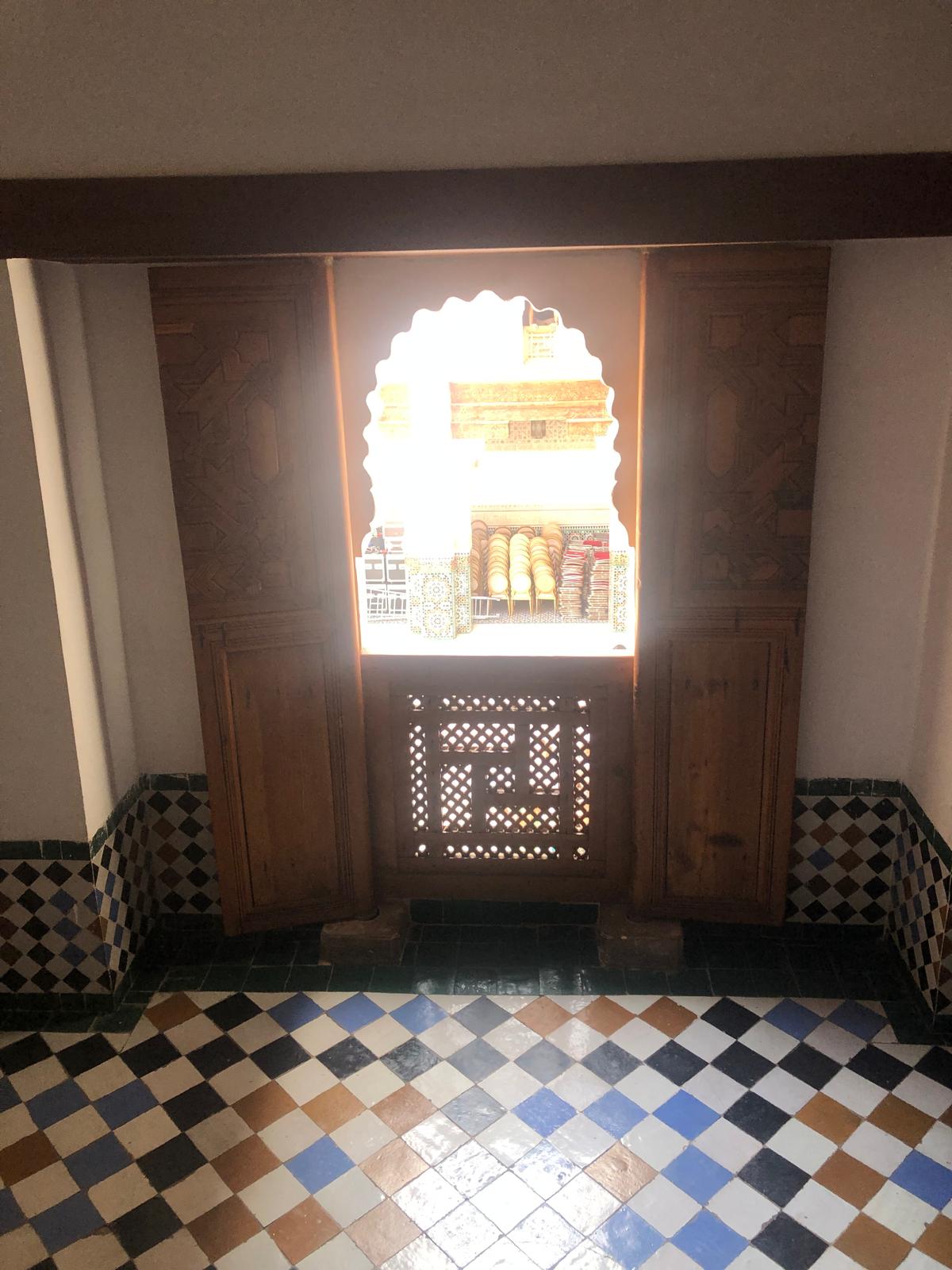
Day 3 – Ouarzazate – Agdz – Draa Valley – Zagora – M’Hamid El Ghizlane
Today’s journey follows the magnificent Draa Valley, famous for its endless palm groves, ancient kasbahs and traditional villages. Continue south through Zagora before arriving at M’Hamid El Ghizlane, the last permanent settlement before the vast Sahara Desert.
Meet your desert trekking crew and enjoy a relaxing evening while preparing for the adventure ahead.
Driving Distance: Approximately 270 km / 170 mi; Driving Time: 4.5–5 hours.
Included:
Day 4 – M’Hamid El Ghizlane – Sidi Naji
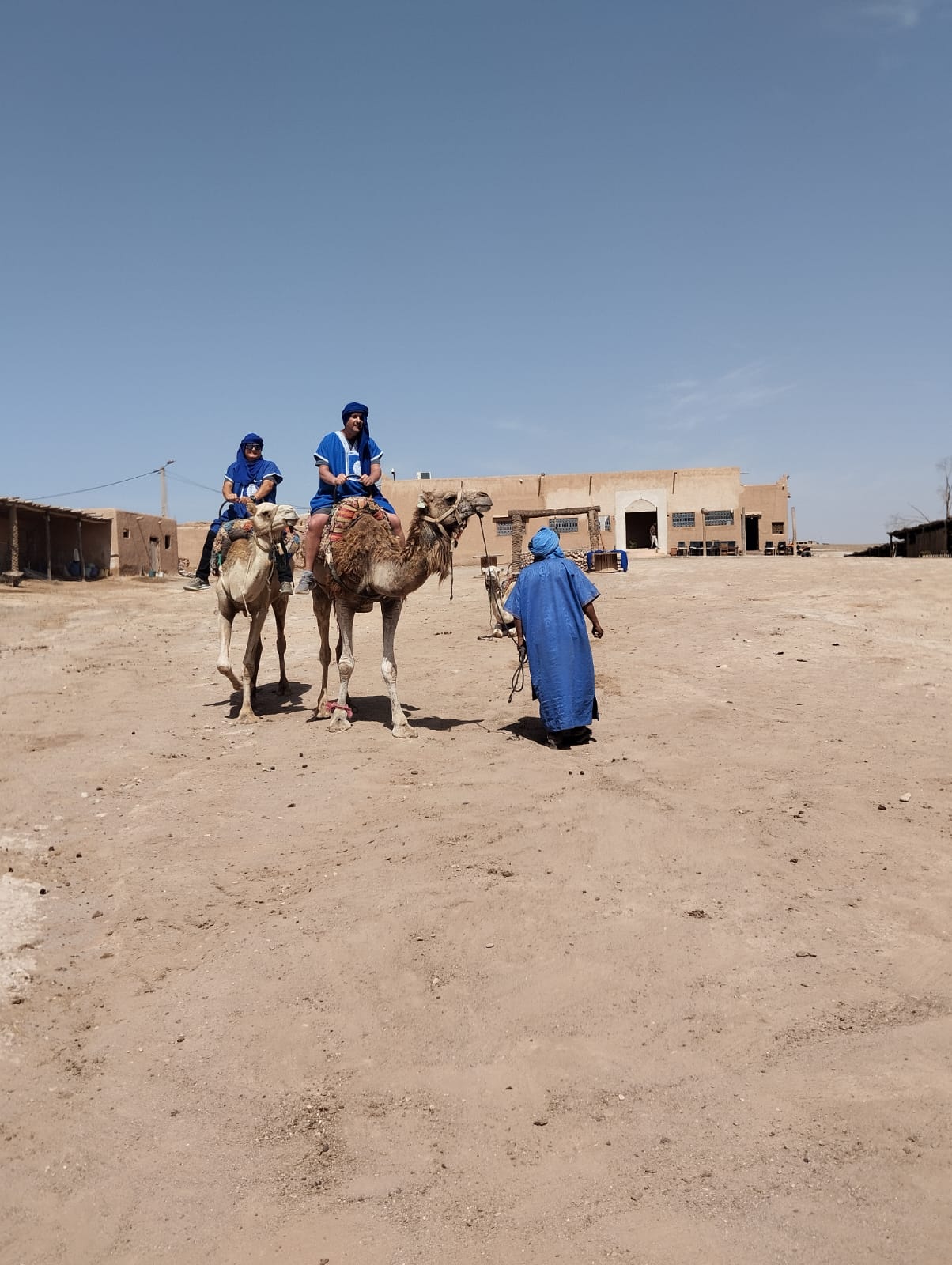
Your Sahara expedition begins after breakfast. Meet the camel caravan and support team before setting off into the peaceful desert landscapes. The route gradually leaves the palm oasis behind, entering a world of golden dunes, rocky plains and endless horizons.
Enjoy regular breaks throughout the day while your luggage is transported by camels. Reach the sacred marabout of Sidi Naji where camp is prepared for the evening. Watch the sunset over the dunes before enjoying a traditional Moroccan dinner beneath one of the clearest night skies in North Africa.
Walking Distance: 14–16 km / 8-10 mi; Walking Time: Approximately 5–6 hours.
Included:
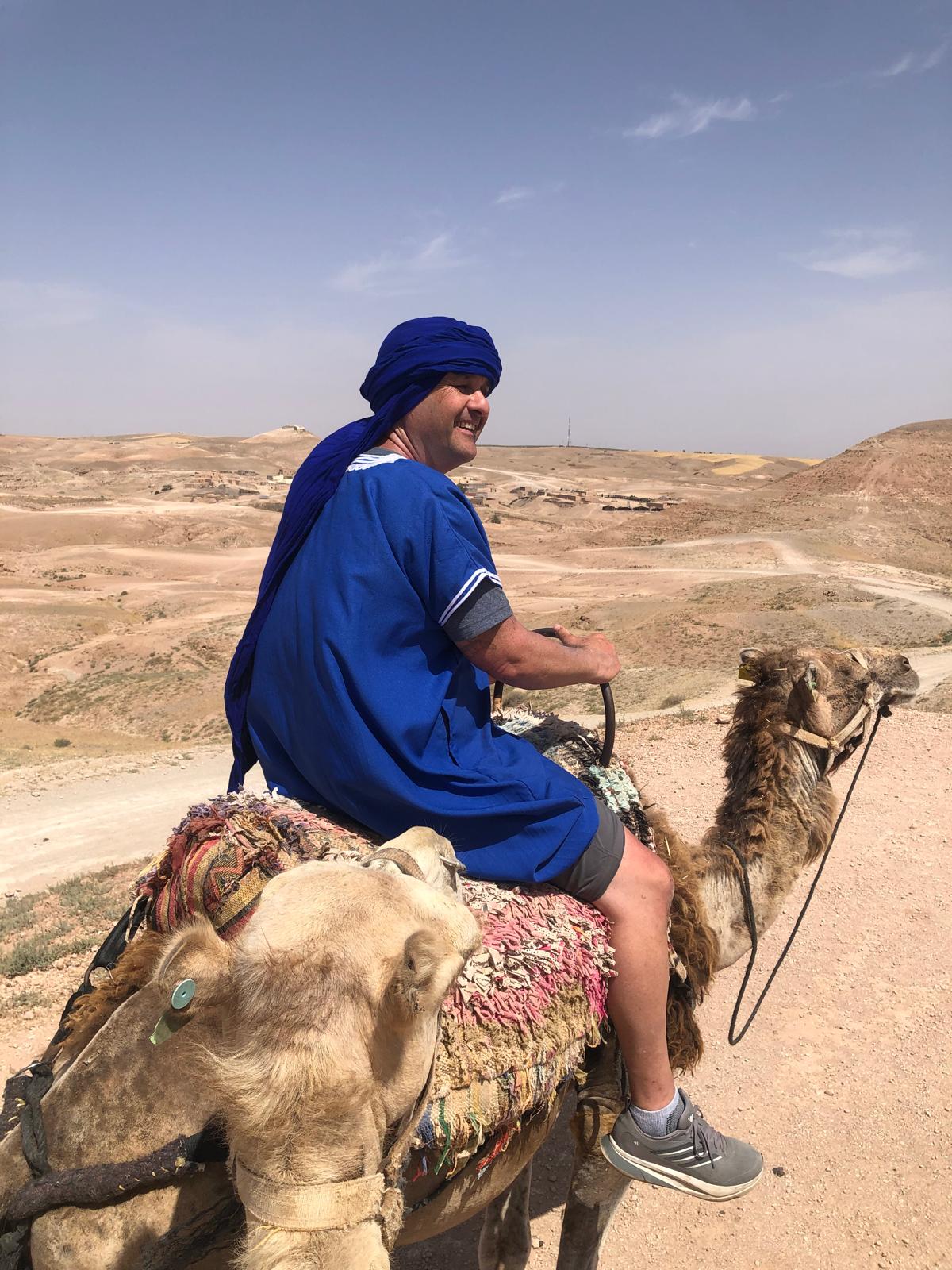
Day 5 – Sidi Naji – Zhar Dunes
Continue your journey deeper into the Sahara as the scenery changes from rocky desert plains to increasingly impressive sand dunes. Walk through remote landscapes once travelled by ancient caravan traders connecting Morocco with Sub-Saharan Africa.
Arrive at the magnificent Zhar Dunes, one of the most beautiful dune systems in the region. Relax while enjoying panoramic sunset views from the crest of the dunes.
Walking Distance: 15–17 km / 10-12 mi; Walking Time: 5–6 hours.
Included:
Day 6 – Zhar – Bougarn Dunes
Today’s route continues across spectacular desert scenery combining rolling dunes, open hammada (stone desert), fossil-rich plains and hidden sandy valleys.
The peaceful surroundings provide an exceptional opportunity to appreciate the immense scale and silence of the Sahara while travelling alongside your experienced local team. Arrive at Bougarn where camp is established for another unforgettable evening under the stars.
Walking Distance: 15–18 km / 10-11 mi; Walking Time: Approximately 6 hours.
Included:
Day 7 – Bougarn – Erg Chigaga
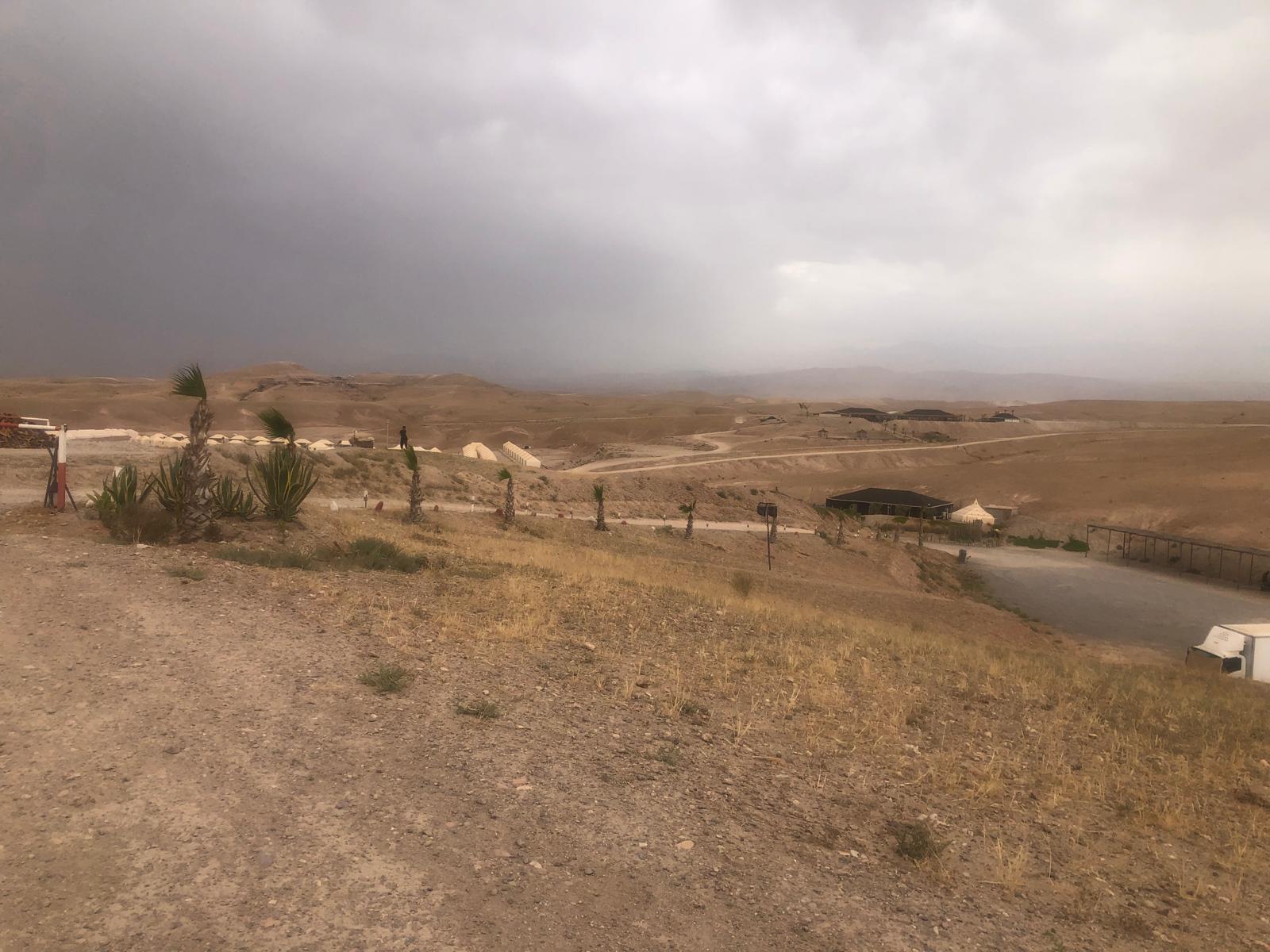
Your final trekking day leads towards the magnificent Erg Chigaga, Morocco’s largest and most spectacular dune system. Rising over 300 metres above the surrounding plains, these immense golden dunes create one of the country’s most iconic desert landscapes.
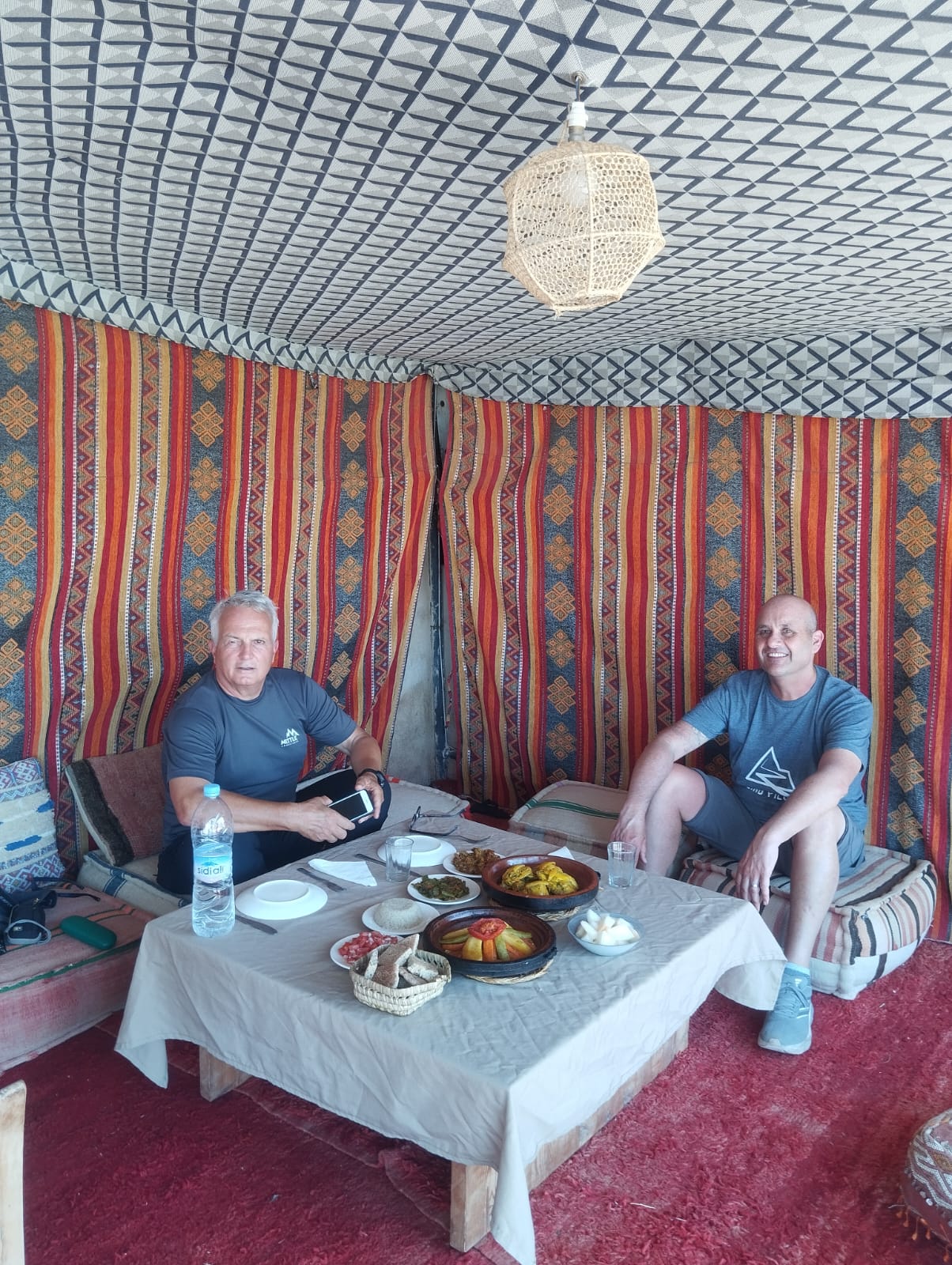
Upon arrival, enjoy time to climb the dunes, admire the breathtaking scenery and celebrate the completion of your remarkable desert crossing. As evening falls, enjoy a traditional dinner, local music around the campfire and one final magical night beneath the stars.
Walking Distance: 15–17 km / 10-11 mi; Walking Time: Approximately 5–6 hours.
Included:
Day 8 – Erg Chigaga – Lake Iriki – Foum Zguid – Ouarzazate
Following breakfast, board a comfortable 4×4 vehicle for an exciting off-road journey across the wild Sahara. Cross the spectacular dry bed of Lake Iriki before reaching Foum Zguid, where the paved road begins once again.
Continue through changing landscapes back towards Ouarzazate, enjoying numerous scenic viewpoints along the way.
Driving Distance: Approximately 300 km / 186 mi; Driving Time: 6–7 hours.
Included:
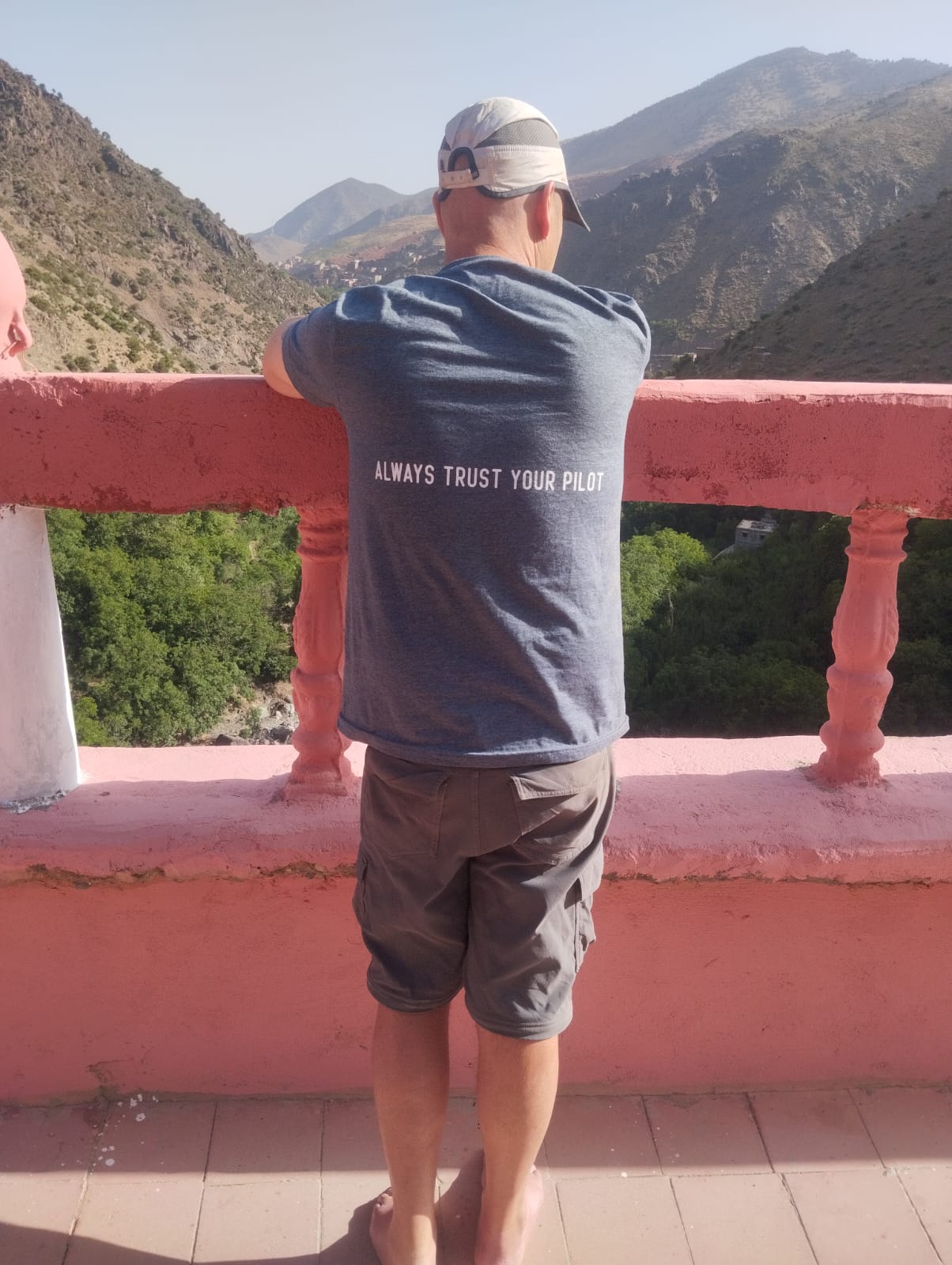
Day 9 – Ouarzazate – High Atlas Mountains – Marrakech
Leave Ouarzazate after breakfast and retrace the scenic route across the High Atlas Mountains. Stop at panoramic viewpoints and traditional villages before arriving back in the vibrant city of Marrakech.
The remainder of the afternoon is free to explore the colourful medina, enjoy Moroccan cuisine or simply relax at your riad.
Driving Distance: Approximately 200 km / 125 mi; Driving Time: 4.5–5 hours.
Included:
Day 10 – Marrakech – Essaouira
Travel west through Morocco’s picturesque countryside towards the Atlantic coast. Along the way, pass argan forests where the famous argan trees grow naturally, and enjoy beautiful changing landscapes before reaching the charming seaside town of Essaouira.
After checking into your riad, spend the afternoon wandering through the UNESCO-listed medina or relaxing beside the ocean.
Driving Distance: Approximately 190 km / 118 mi; Driving Time: Around 3 hours.
Included:
Day 11 – Discover Essaouira
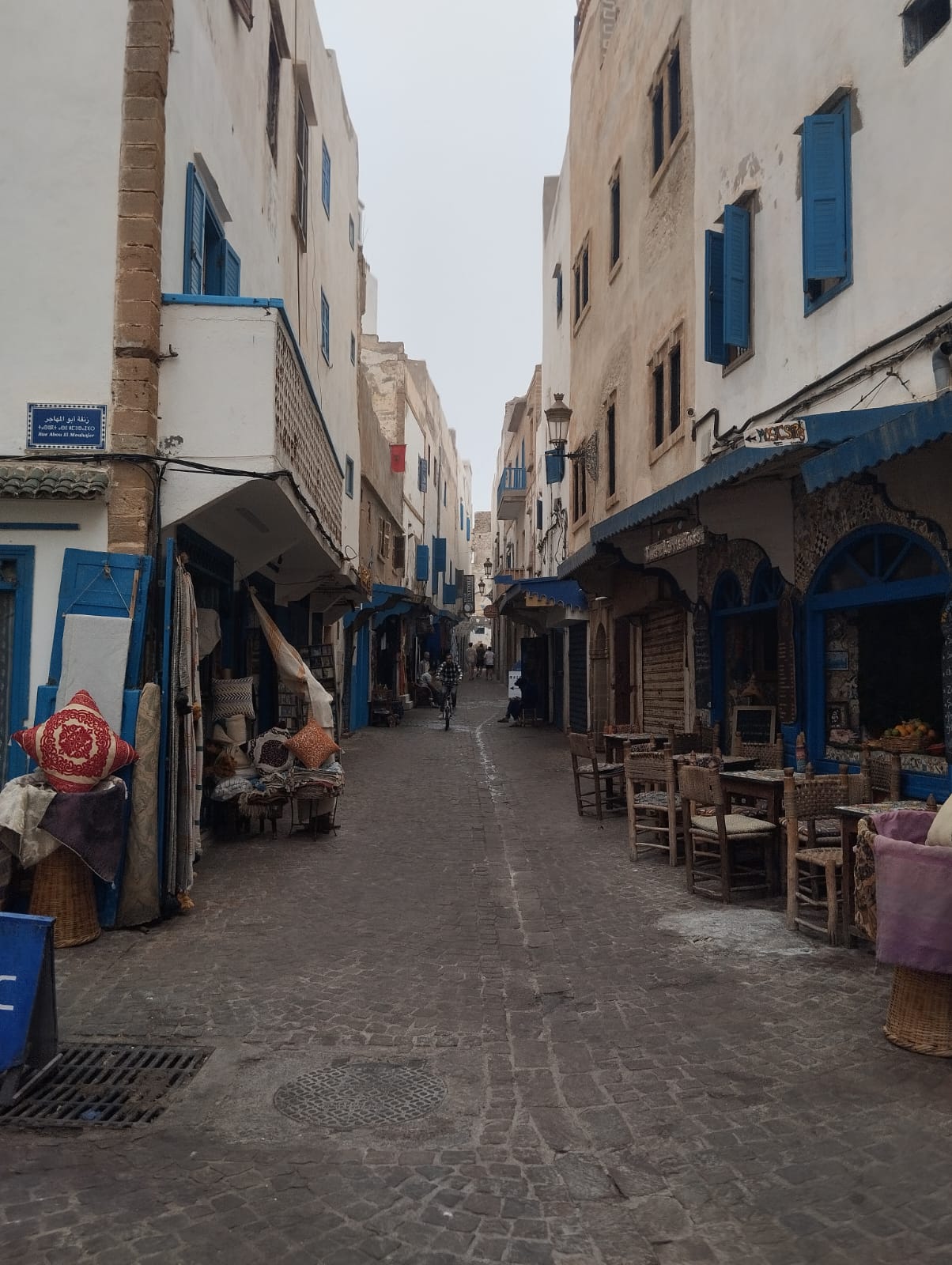
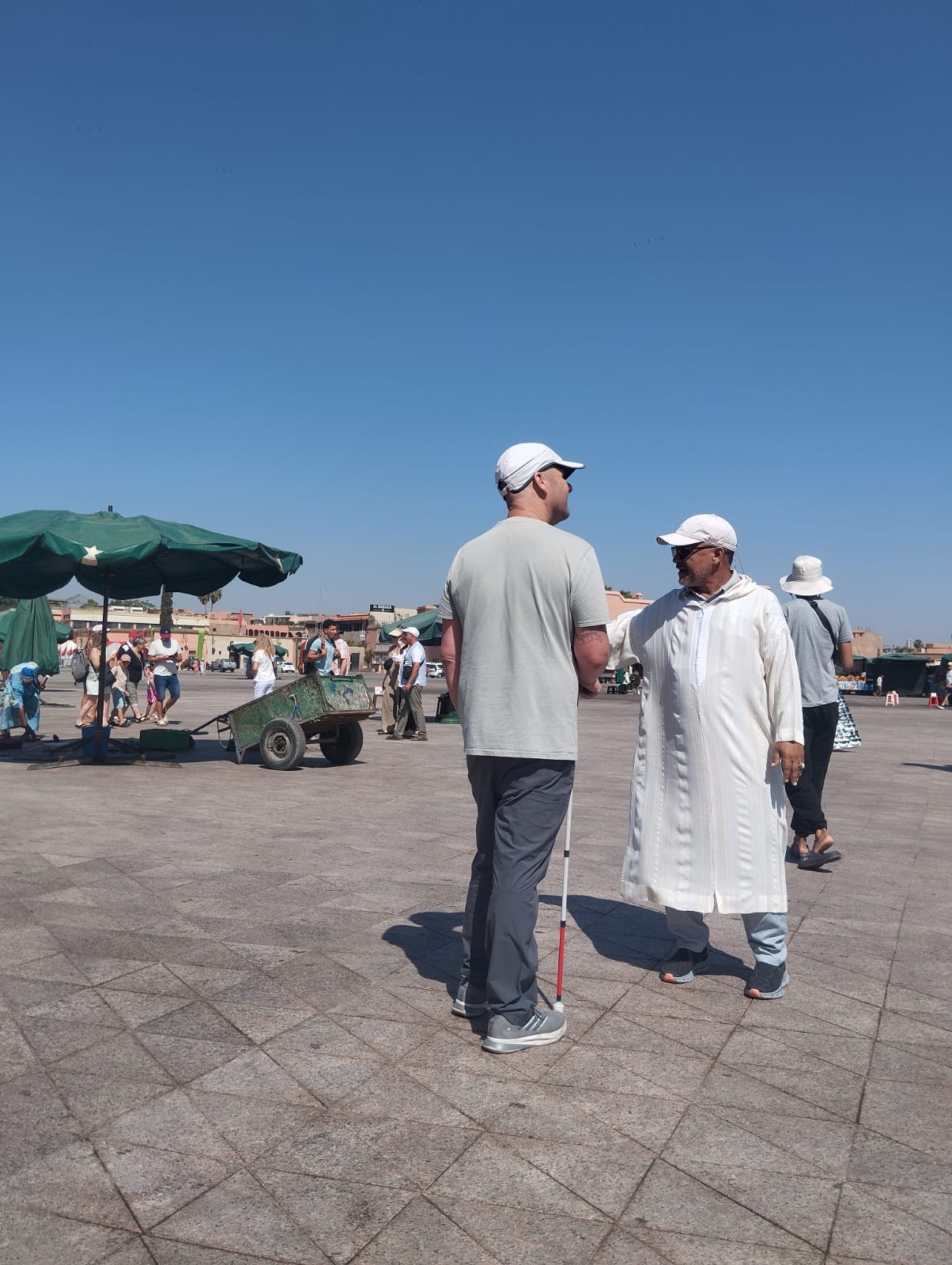
Today is dedicated to exploring one of Morocco’s most charming coastal cities. Wander through narrow whitewashed streets lined with artisan workshops, visit the bustling fishing harbour, admire the historic Portuguese ramparts, browse local galleries and experience the relaxed atmosphere that makes Essaouira so unique.
Later in the afternoon, indulge in a luxurious traditional hammam, with exfoliating steam and a relaxing massage. Reward your muscles and hard work from the Sahara!
Fresh seafood restaurants and oceanfront cafés provide excellent opportunities to enjoy the city’s renowned cuisine.
Walking Time: Flexible throughout the day.
Included:
Day 12 – Leisure Day in Essaouira
Enjoy a completely free day at your own pace. Relax on the sandy beach, stroll along the Atlantic coastline, visit local markets, discover hidden cafés within the medina or simply unwind while enjoying the peaceful seaside atmosphere.
This day offers the perfect opportunity to rest before returning to Marrakech.
Included:
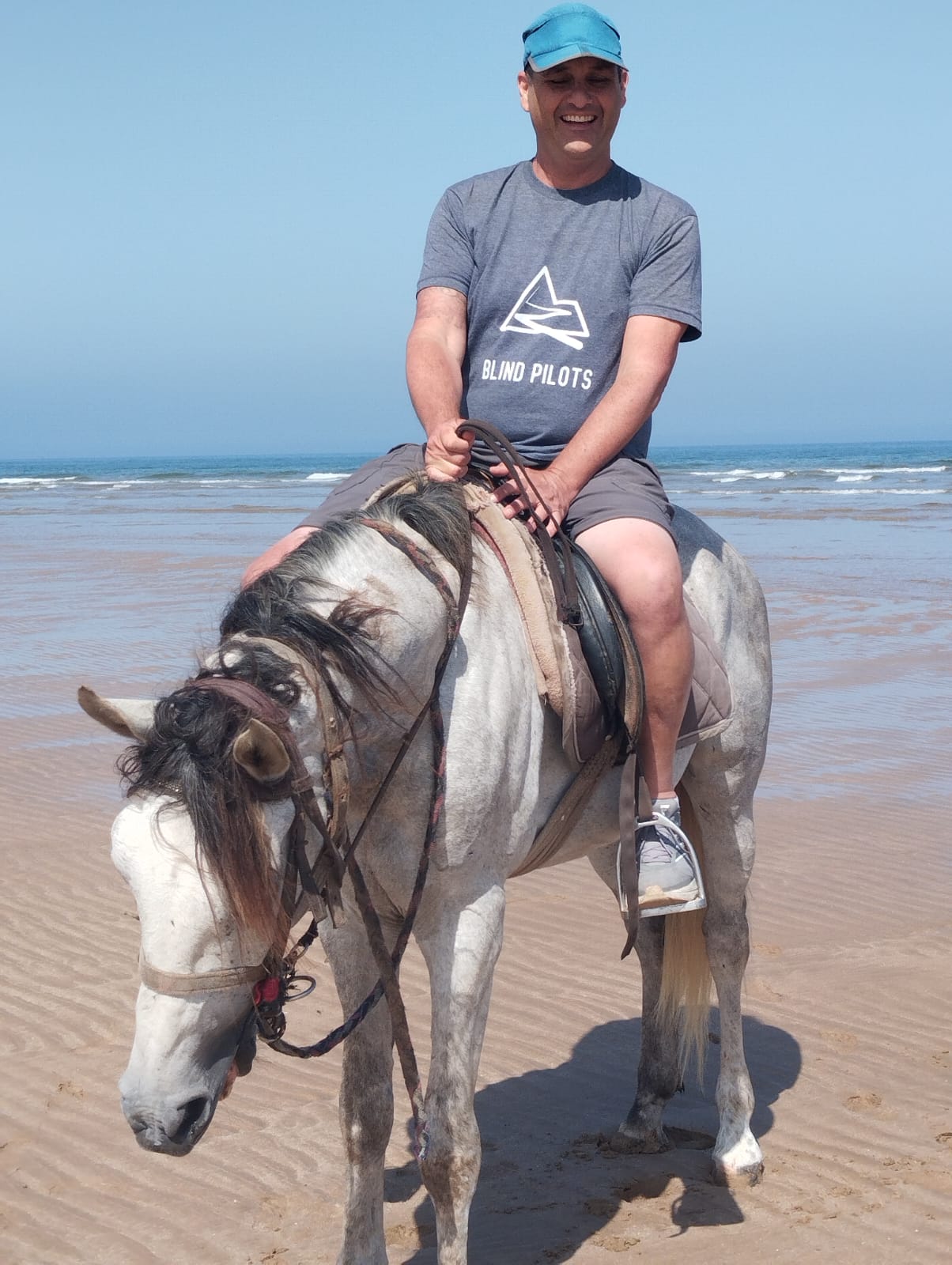
Day 13 – Essaouira – Marrakech
After breakfast, depart Essaouira and return to Marrakech via a comfortable drive through western Morocco.
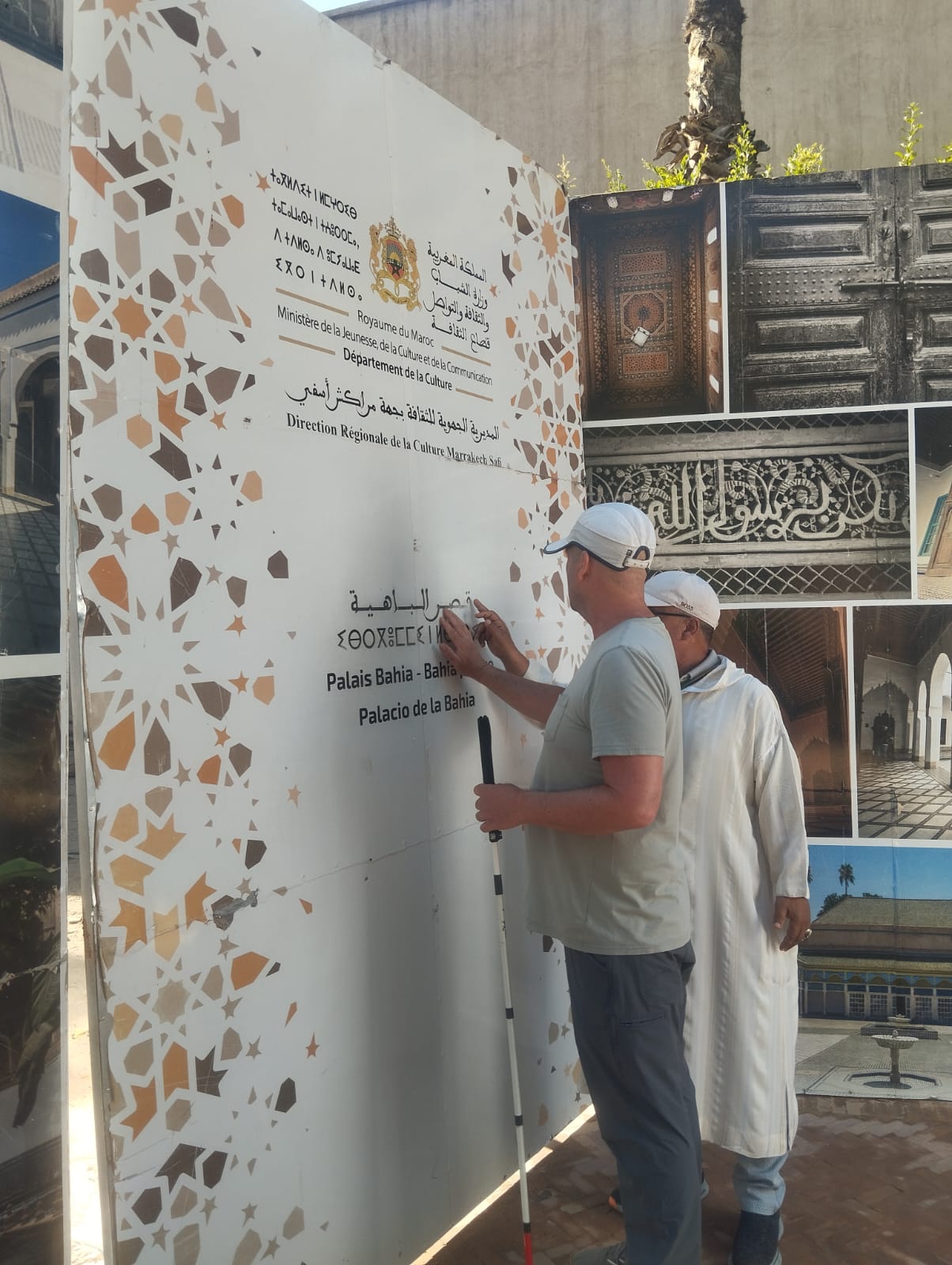
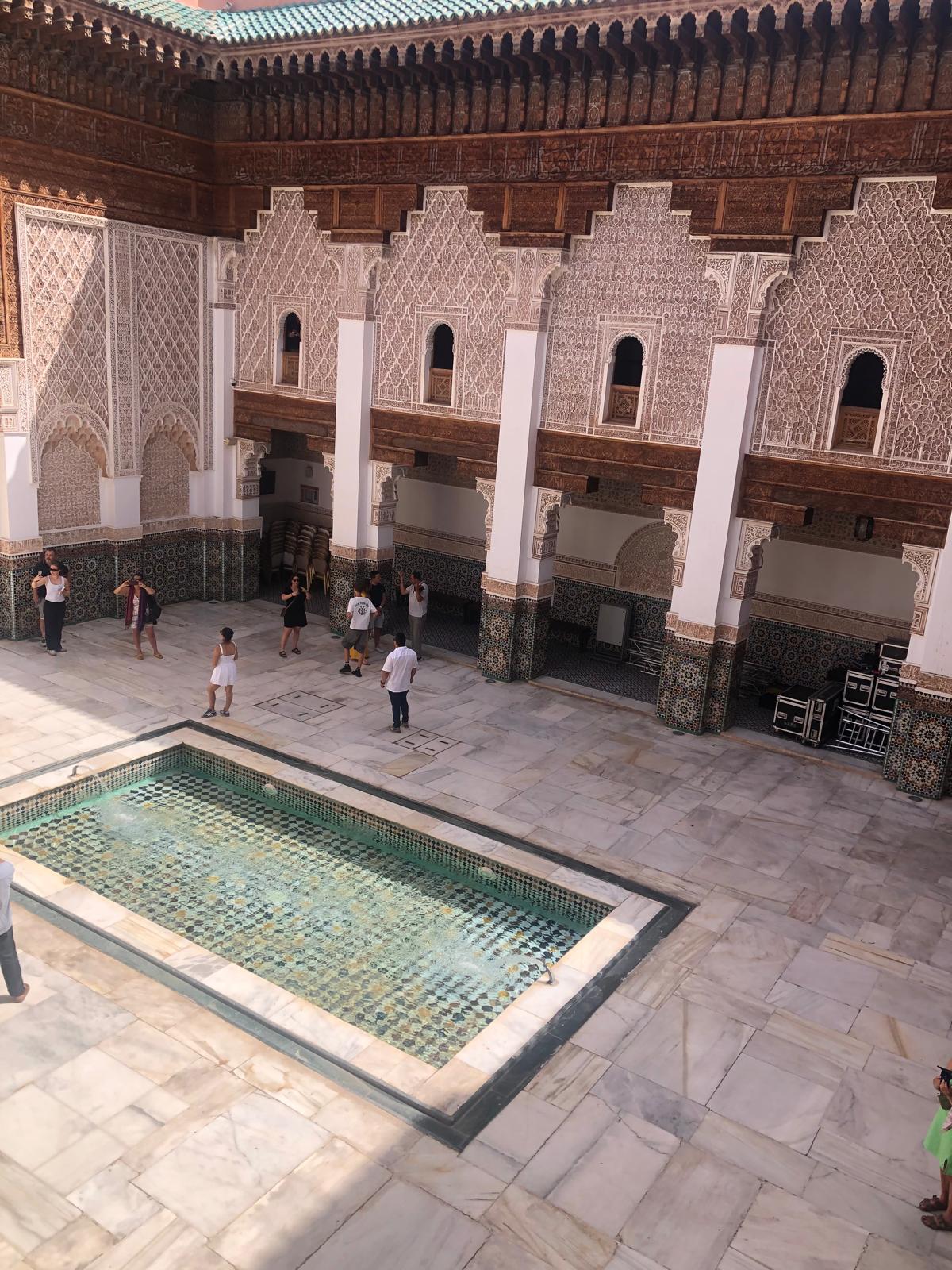
Upon arrival, enjoy one final afternoon for shopping in the famous souks, visiting historical monuments or relaxing at your riad before your departure the following day.
Driving Distance: Approximately 190 km / 118 mi; Driving Time: Around 3 hours.
Included:
Day 14 – Marrakech Airport Transfer
After breakfast, your driver will transfer you to Marrakech Menara Airport according to your international flight schedule.
Your unforgettable Moroccan journey comes to an end, taking home lasting memories of vibrant cities, spectacular mountains, the endless Sahara Desert and the beautiful Atlantic coast.
Driving Time: Approximately 20–30 minutes.
Included:
Trekking Summary
- Total Trekking Days: 4
- Approximate Walking Distance: Approximately 59–68 km / 36-42 mi total (14–18 km / 8-11 mi per day)
- Daily Walking Time: 5–6 hours
- Difficulty: Moderate
- Luggage: Transported by camels throughout the trek.
- Support Team: Professional local guide, camel handlers and desert support crew.
- Suitable For: Active travelers with a reasonable level of fitness. For blind and visually impaired guests, close guide assistance and adapted support are provided throughout the trek to ensure safety, comfort and an enriching experience.
Trip Summary
Price: USD $4,000 per person (double occupancy – single occupancy available for USD $50 per night)
Included:
- Direct, reliable and personalized communication with the Blind Pilots team through all stages of trip planning
- Airport arrival and departure transfers
- Private air-conditioned transportation throughout the tour
- Professional English-speaking driver
- Local trekking guide
- Camel support caravan during the desert trek
- Experienced camel handlers
- Full desert support crew
- Accommodation as specified (twin/double room)
- Meals as indicated in the itinerary
- Picnic lunches during the Sahara trek
- Luggage transported by camels during the trek
- Camel ride in Chegaga at sunset.
- 4×4 transfer from Erg Chigaga to Ouarzazate
- All camping equipment
- Hammam and relaxing massage in Essaouira (1h 30 m)
Not Included:
- Snacks and meals not specifically noted in the itinerary
- International flights
- Travel insurance
- Lunches in cities unless specified
- Drinks and personal expenses
- Tips for guides and support staff
- Entrance fees to optional monuments and attractions
Tour Dates: January 13-26, 2028
Ready to learn more? Use the contact form below.
Morocco FAQs
Get in Touch with Blind Pilots
We’d love to hear from you!
Please send a message with the best phone number and time to call you so we can discuss whether a Blind Pilots tour is right for you.